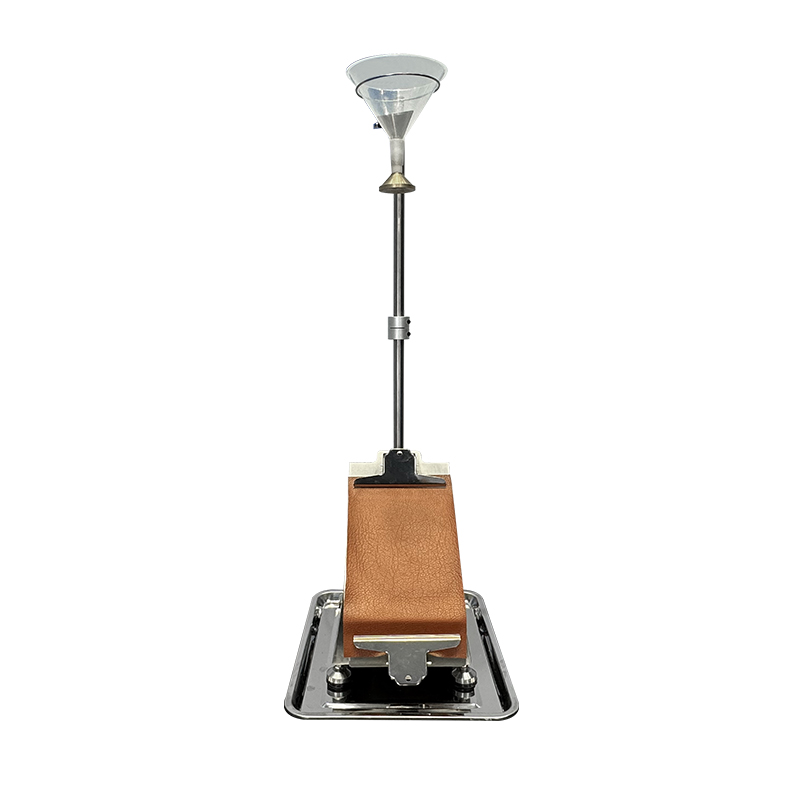
Impact Penetration Tester: A Comprehensive Guide to Its Uses and Benefits Impact Penetration Tester GT‑C33 is a specialized textile laboratory instrument primarily known for its application in textile quality control, garment manufacturing, and functional fabric validation. With a unique combination of standardized testing workflow, objective quantitative results, and broad material adaptability, ...
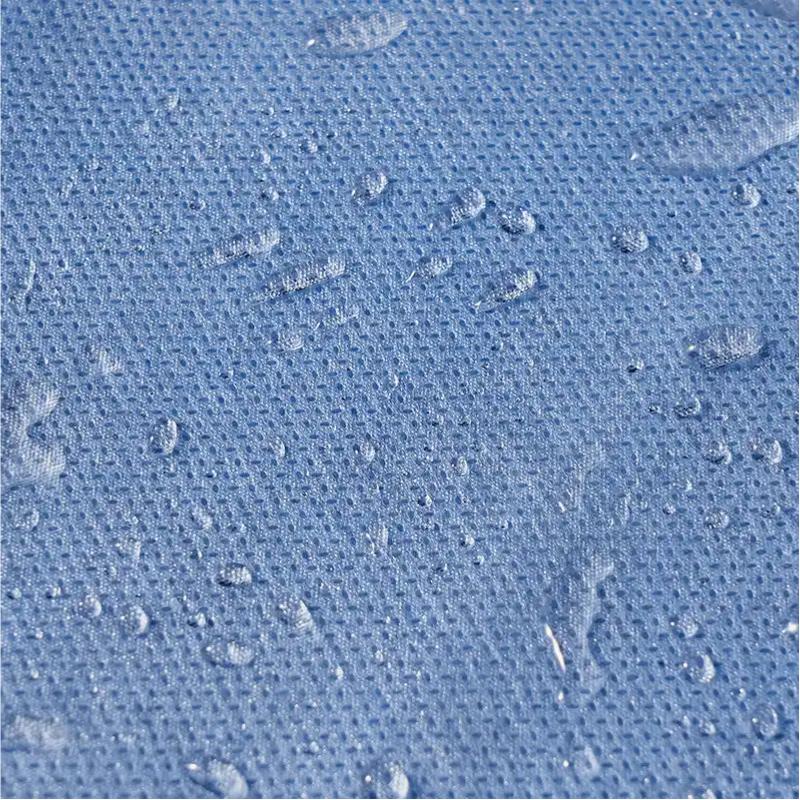
Non- woven Fabric Permeability Testing: Key Standards NWSP 070 & ISO 9073 Permeability Test and Its Importance The Permeability test covers liquid strike‑through and air permeability test. These tests ensure the quality of nonwoven materials used in hygiene products, filter media, protective textiles and industrial fabrics against liquid penetration and air flow performance. For example, if yo...
IULTCS Veslic Tester vs Crockmeter: What are the Differences? So many people often confuse IULTCS Veslic testers and crockmeters. Knowing the differences and functions of both will help you choose the right equipment that your testing laboratory needs. It’ll also help you prioritize test accuracy and cost. What Is IULTCS Veslic Tester? IULTCS Veslic Tester is an instrument that is built with touch...
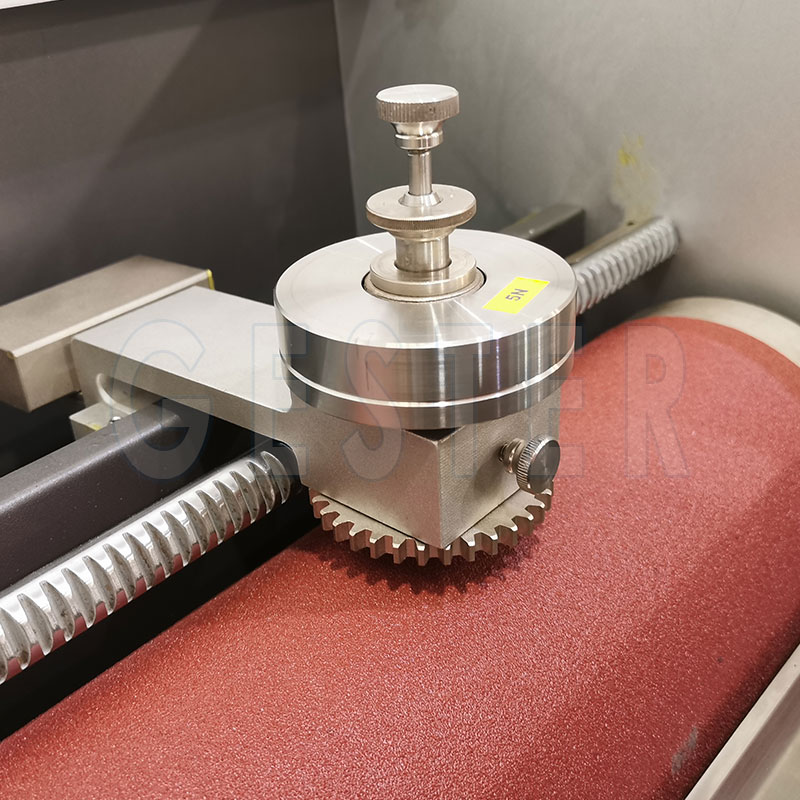
NBS Rubber Abrasion Tester vs DIN Rotary Drum Tester: A Complete Comparison For rubber testing. To get to understand whether to use the NBS Rubber Abrasion Tester or the DIN Rotary Drum Tester, it is wise to know its difference, benefits or perhaps the areas it is appropriate to be used in. It is always advantageous to understand the subtle differences of these two abrasion testing methods and lea...
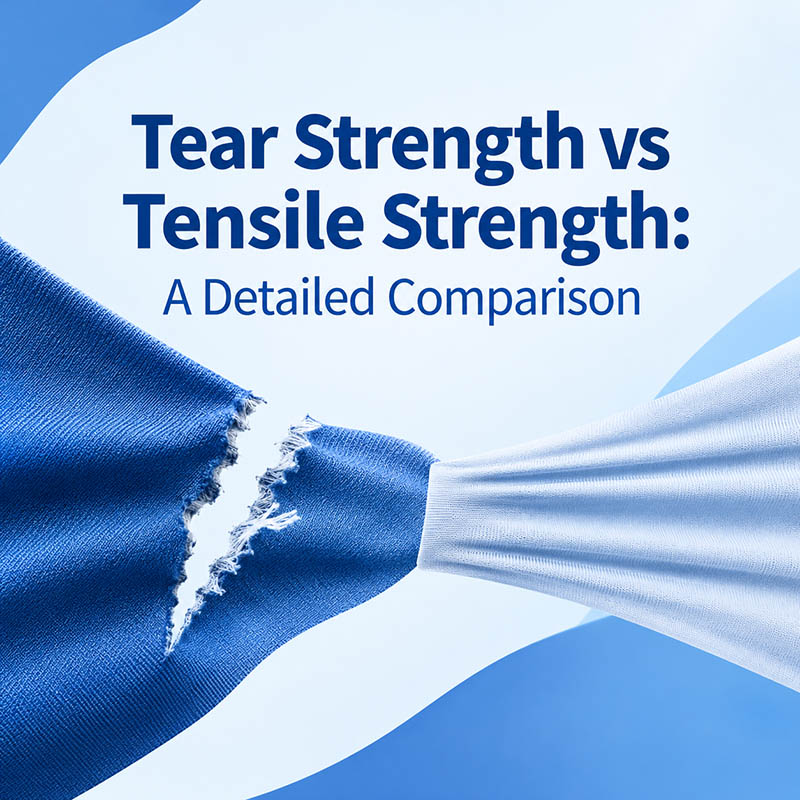
Tear Strength vs Tensile Strength: A Detailed Comparison In today’s article, we will compare tear strength and tensile strength. We shall explore what it is, benefits, performance characteristics and possible applications. Besides, we shall also explore the similarities and differences. What is Tear Strength? The tear strength is a mechanical property rating that defines how well a material can wi...


 English