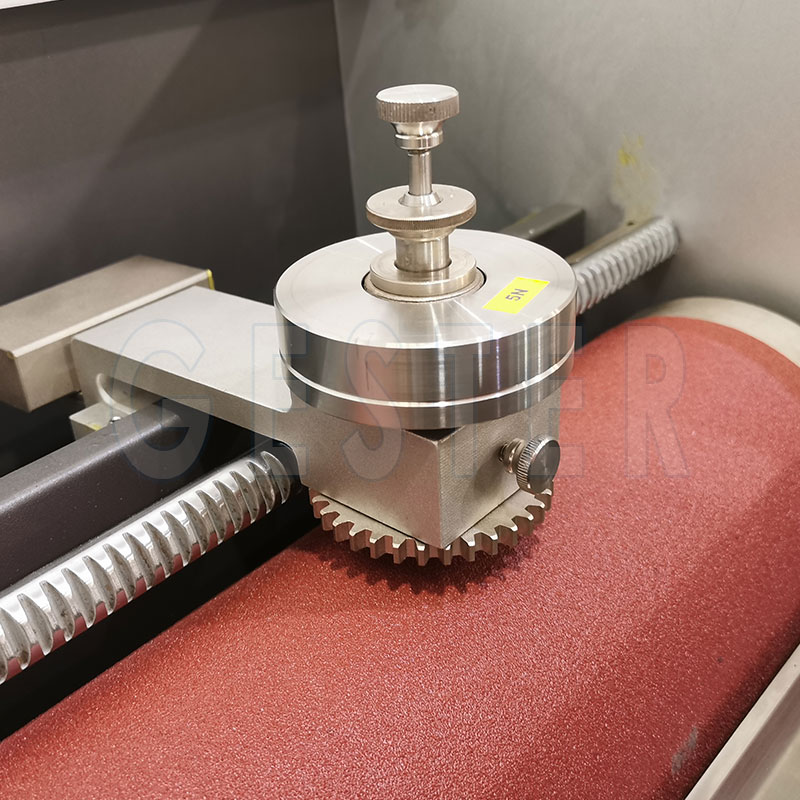
NBS Rubber Abrasion Tester vs DIN Rotary Drum Tester: A Complete Comparison For rubber testing. To get to understand whether to use the NBS Rubber Abrasion Tester or the DIN Rotary Drum Tester, it is wise to know its difference, benefits or perhaps the areas it is appropriate to be used in. It is always advantageous to understand the subtle differences of these two abrasion testing methods and lea...
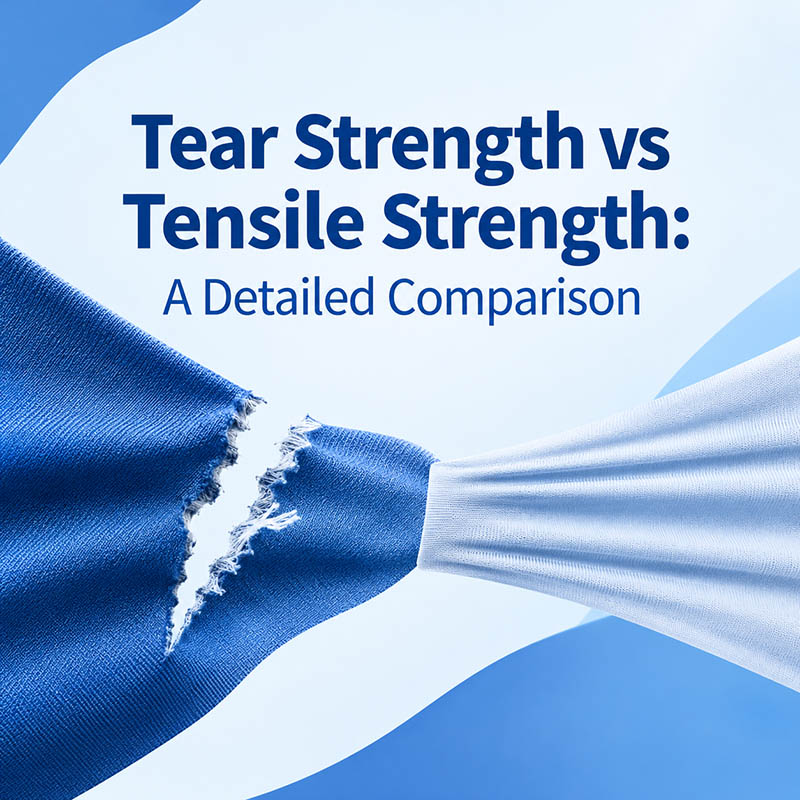
Tear Strength vs Tensile Strength: A Detailed Comparison In today’s article, we will compare tear strength and tensile strength. We shall explore what it is, benefits, performance characteristics and possible applications. Besides, we shall also explore the similarities and differences. What is Tear Strength? The tear strength is a mechanical property rating that defines how well a material can wi...
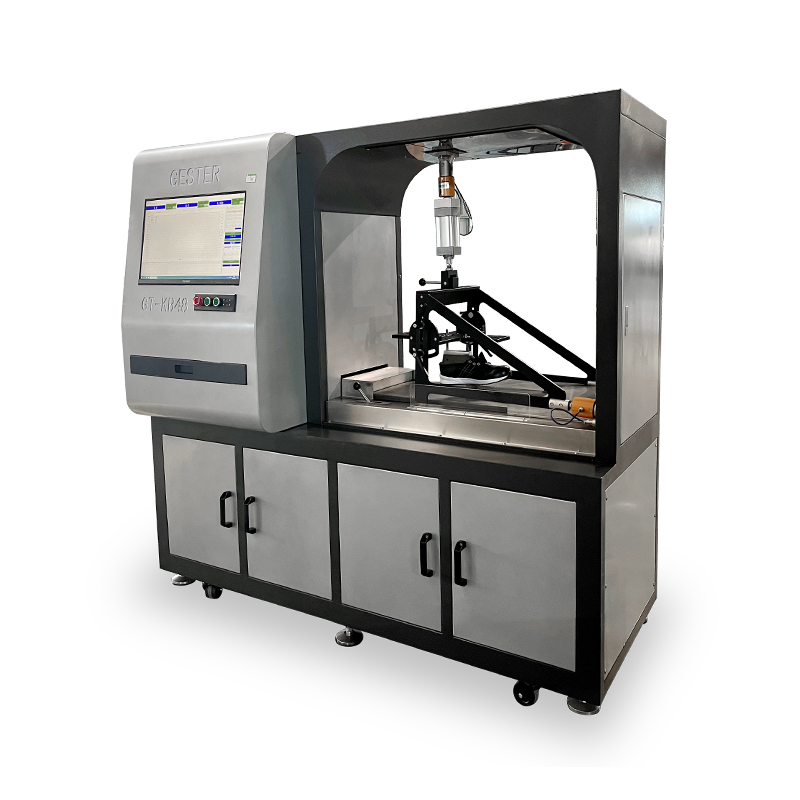
Why Is the Demand for Footwear Slip‑Resistance Testing Increasing? The overall global demand for footwear slip‑resistance testing is really increasing due to awareness of fall‑related injury risks, participation in daily and industrial activities and also strict regulations on footwear product safety. Brands exporting to Europe, the US, China and other global markets must follow regional slip‑resi...
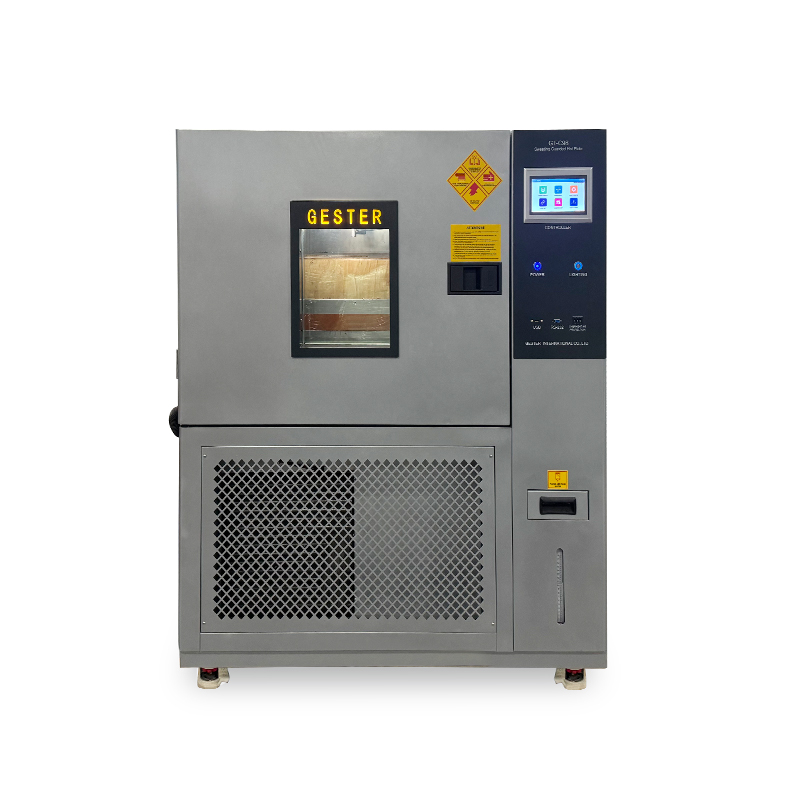
A sweating guarded hot plate tester is simply precision testing equipment which measures thermal‑related performance of textiles. The rest of this instrument consists of heating assemblies, environmental control chamber, sensor units and control system. These include heating test plate, wind speed stabilisation system, automatic water supply module and touch‑screen controller. The core measuring p...
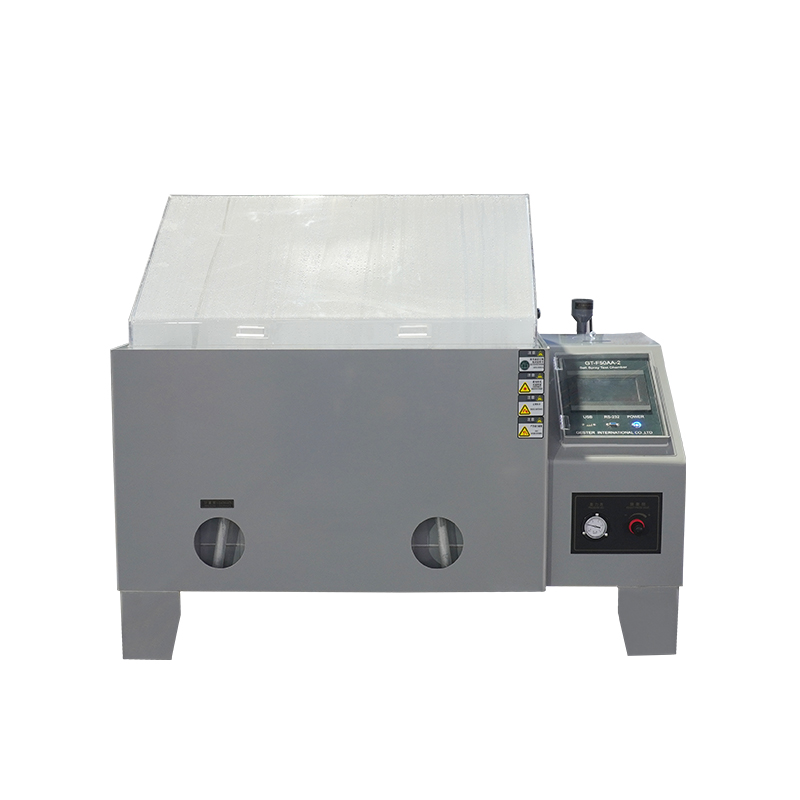
When you need to evaluate the corrosion‑resistance performance of metal parts and surface‑coated components, the salt spray tester is a great choice. Understanding how a salt spray tester delivers reliable corrosion‑testing results can help you select proper testing equipment and set appropriate test parameters for specific industrial applications. Understanding The Salt Spray Tester? Salt spray t...


 English