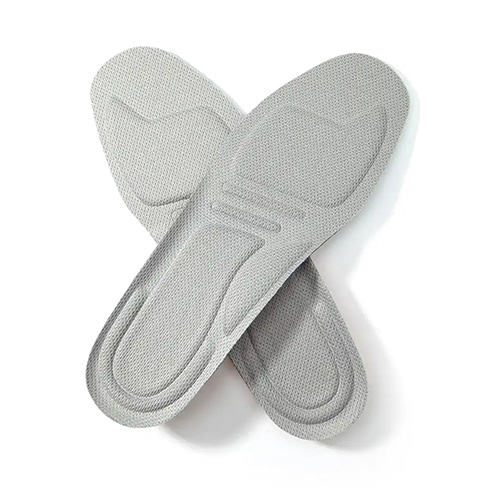
Comprehensive Testing of Insole Materials: Thickness, Flexing Index, Abrasion, and Water Absorption/Desorption Insoles are a critical component in footwear that directly contacts the foot, providing comfort, support, and cushioning. To ensure the comfort, safety, and durability of insoles, a series of tests must be conducted. Testing Items The testing items for insoles primarily include the follow...
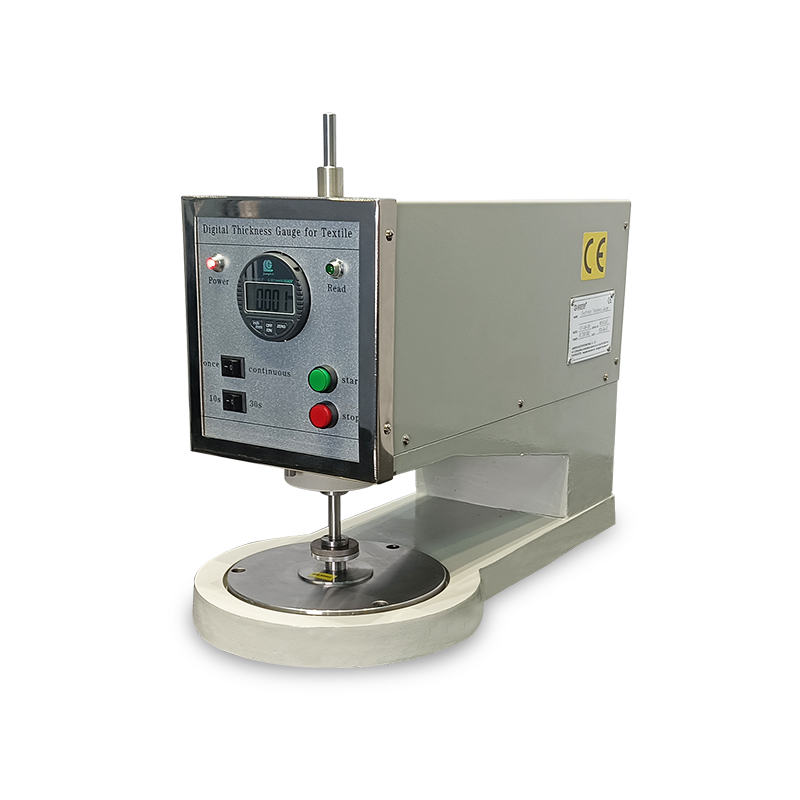
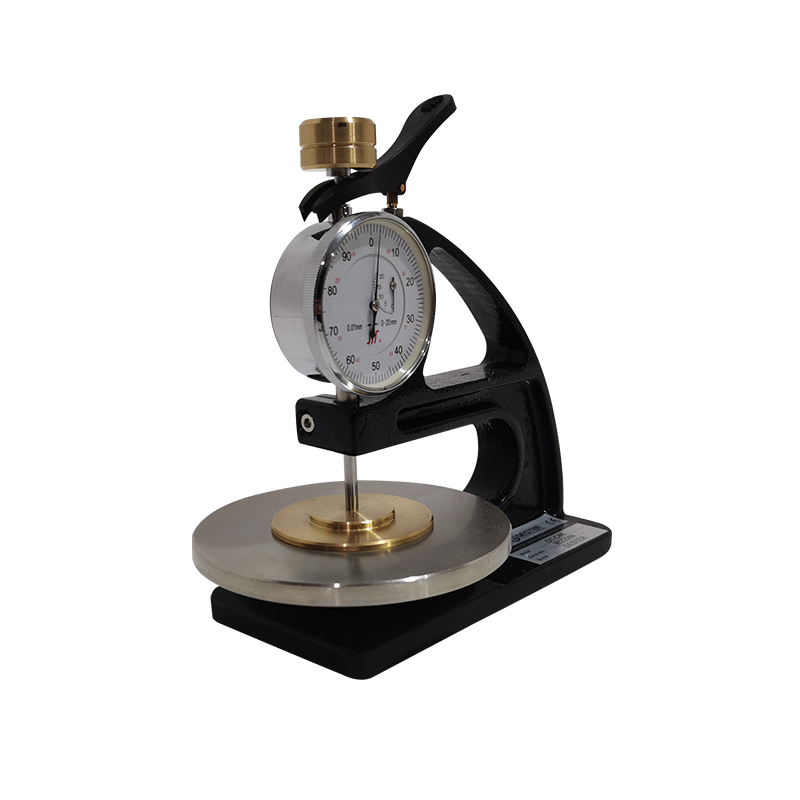
ASTM D1777 Textile Thickness Gauge - A Comprehensive Guide In the quality control and performance evaluation of textile materials, precise thickness measurement plays a pivotal role. It not only affects the product's visual texture but also directly impacts the durability, warmth retention, and comfort of textiles. To standardize and unify textile thickness testing methods, the American Society fo...
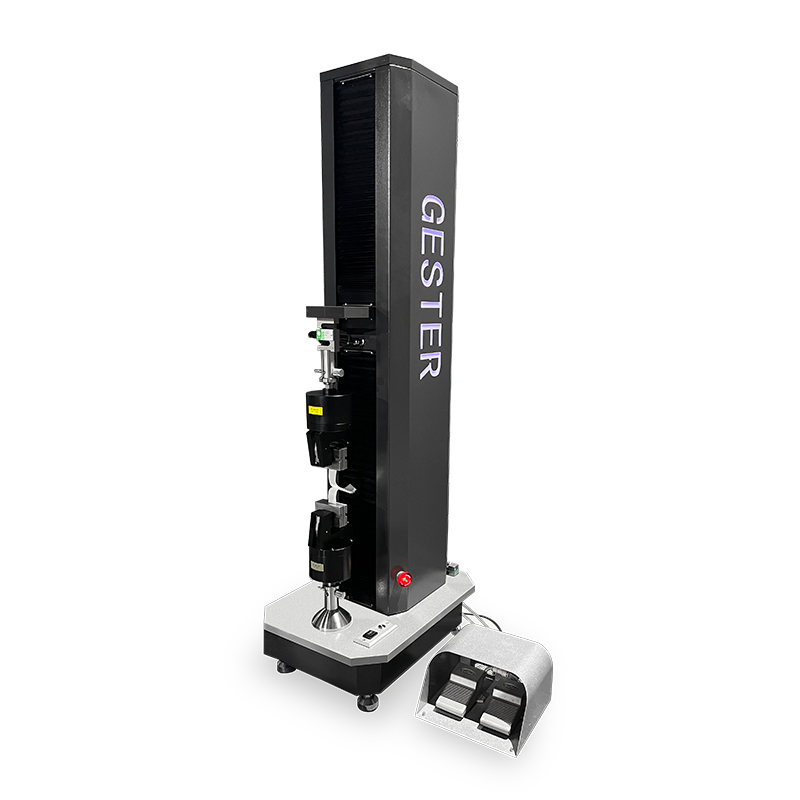
Nonwovens Strength Tester GT-CN01 – What You Need to Know When you need to evaluate the bonding quality of adhesive linings, measure the peel force between multilayer laminated fabrics and coating adhesions, or determine the tensile strength of hot melt adhesive interlinings and apparel fabrics. This article will provide you with a detailed introduction to Nonwovens Strength Tester GT-CN01 outstan...
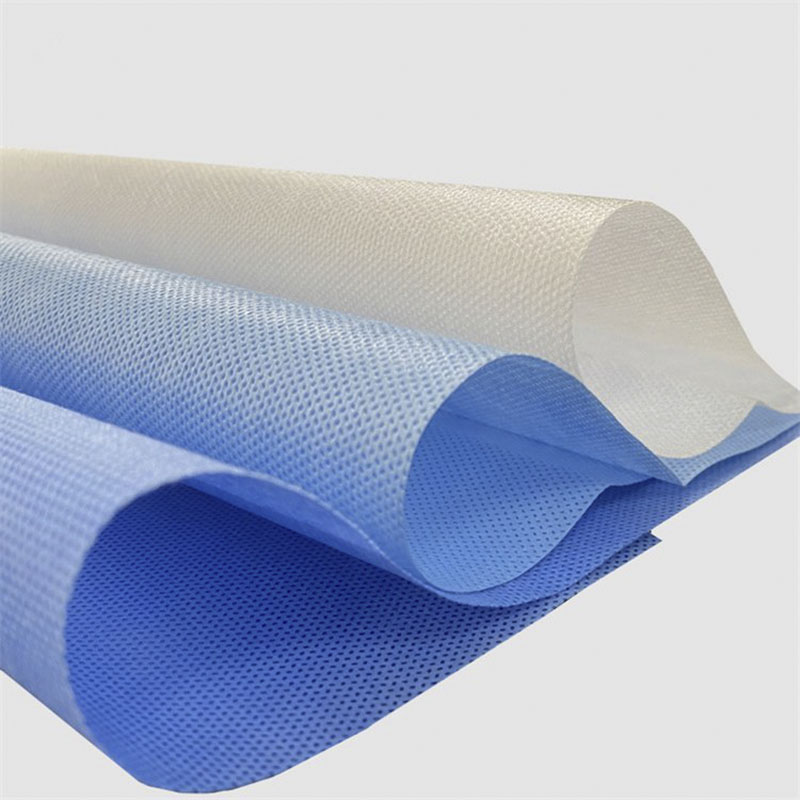
A Comprehensive Guide to Different Types of EDANA NWSP Nonwoven Testing Machines EDANA NWSP nonwoven testing machines are specialized laboratory instruments designed to evaluate the physical, mechanical and functional properties of nonwoven fabrics in strict accordance with EDANA (European Disposables and Nonwovens Association) NWSP series test standards. Why NWSP Matters Defines the industry: Est...
Nonwoven Thickness Gauge: ISO 9073-2 vs NWSP 120.6.R0 (15) Why is Nonwoven Thickness Testing So Important for Nonwovens The high-performance nonwoven materials have become really critical due to inaccurate thickness testing results, leading to product rejection, inconsistent functional performance, and compliance audit failures. Products such as hygiene nonwovens, medical fabrics, filtration media...
Nonwoven Fabrics Tensile Tester: NWSP 110 vs ISO 9073 1. Nonwoven Tensile Testing Explained Why is Nonwoven Tensile Testing So Important for Modern Nonwoven Products The modern high-performance nonwoven products have become really demanding due to inaccurate tensile testing results, leading to product rejection, inconsistent durability performance, and compliance audit failures. Products such as h...



 English