news
  • How are masks tested?
    How are masks tested? March 06, 2020
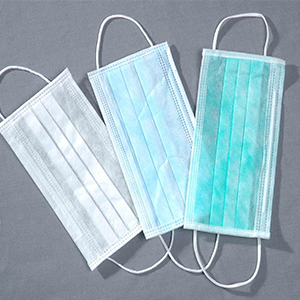
    There are three types of masks, including disposable medical masks, medical surgical masks, and medical protective masks. Masks are generally composed of meltblown cloth, non-woven fabric, mask tape, and nose clip. The outer and inner layers are made of non-woven fabric and the middle layer is made of meltblown fabric. The "melt-blown cloth" is commonly known as the "heart" of the mask. The fake mask is very thin. If there are only two layers inside and outside without a melt-blown cloth in the middle, it will not be able to play a role in blocking particles and bacteria. Compared with ordinary masks, the outer layer of medical surgical masks has flame retardant properties, and at the same time, it must have the ability to prevent blood penetration to ensure the safety of medical personnel.So, what are the general procedures for testing masks? Mask tape test:each mask has 4 welding points. It is required that the breaking strength of the joint between each mask root and the mask body should be not less than 10N. Each test lasts for 5 seconds. Mask performance test: For the close-fitting test of the mask, ten volunteers are generally required to see if the mask nose fits properly. Volunteers will perform actions such as rocking left and right, nodding up and down, and testing for mask leaks. The staff put on a medical protective mask and entered the small room to test the tightness of the mask. The closed small room was filled with sodium chloride aerosol. Waterproof test: Use 250ml of water to drip down. After all the leakage is finished, see how the mask is waterproof according to the standard. Block blood performance test: Medical surgical masks and protective masks must not only be waterproof, but also blood-proof. The staff would use artificial blood to call from a distance to see if the other side of the mask came through. The main reason that a qualified mask can block blood is the meltblown cloth in the middle. Finally, test the comfort performance of the mask. GESTER international LTD. specializes in R & D and production of mask testing equipment, protective clothing testing equipment and medical products testing equipment. To learn more, contact us:info@gester-instruments.com.
    View More
  • Gester's 2019 Year End Party
    Gester's 2019 Year End Party January 14, 2020
    In order to further promote the construction of corporate culture, strengthen the cohesion of the enterprise, improve the centripetal force of employees, and create a relaxed and happy New Year atmosphere, GESTER Instruments Co., Ltd. held an Year End Party on January 11, 2020. The development of Gester is inseparable from the hard work and hard work of its employees. Every effort must be rewarded. Chairman Hua and the general manager of the company awarded awards to outstanding employees and departments. Subsequently, the chairman of the company delivered a speech. In the past year, he has achieved brilliant results. It is about to say goodbye to the wonderful and memorable 2019 and greet the coming of 2020 vigorously. Hope for the coming year, go hand in hand, and make great achievements. At the annual meeting, the friends from each department carefully rehearsed the activities, bringing wonderful dances, singing, acrobatics performances, etc .; there were also intervening draws and interactive games. The happy annual meeting brought laughter to everyone. 2019 has been glorious, 2020 must be splendid, ignite the mission, achieve dreams, and through our unremitting efforts, we believe that we will achieve even more brilliant results in the future work!
    View More
  • Test method for sole abrasion resistance
    Test method for sole abrasion resistance December 17, 2019
    The basic function of the sole is to isolate the contact between the foot and the ground and prevent the foot from being hurt by sharp objects on the ground, prevent excessive sliding in the process of movement, disperse the force generated by movement, reduce the burden on the sole of the foot, play a protective role and increase the comfort of the foot. The abrasion resistance of sole is one of the important properties of shoe products, which determines the service life of shoes, when the sole is worn to a certain extent, it will lead to uneven stress on the sole of the foot, which will affect the development of human bones. Therefore, at present, in all kinds of footwear products imported and exported, it is necessary to test its abrasion resistance. Common abrasion resistance methods of sole At present, the commonly used abrasion resistance include the following methods: 1.Akron abrasion test method 2.DIN abrasion test method 3.Taber abrasion test method 4.GB(Chinese standard) abrasion test method 5.NBS abrasion test method 1.1 Akron abrasion test method Test Subject: All kinds of soles Test equipment: Rubber Akron Abrasion Tester GT-KB04 Test method:Cut the sample into a given shape, place it under the grinding wheel, adjust the angle and load of the grinding wheel to make it close to the surface of the sample, and then test the abrasion index of the sample after 1.6km abrasion Characterization of test results: Both wear volume and wear index can be used to characterize. 1.2 DIN Abrasion test method Test Subject: Various types of soles Test equipment: DIN Abrasion Tester GT-KB03 Test method: Cut the sample into a cylindrical shape, place it under the abrasive cloth wheel, then adjust the pressure of the grinding wheel to combine it with the sample surface, start the machine, and measure the amount of abrasion caused by the abrasion of the sample within a certain distance . Characterization of test results: volume wear or wear index. 1.3 Taber abrasion test method Test Subject: leather, fabric Test equipment: Taber Abrasion Tester GT-C14A、C14B Test method: Cut the sample into the corresponding shape, place it under two abrasion wheels, apply a certain pressure to make the sample contact the lower surface of the abrasion wheel, then start the machine, and rotate the abrasion wheel to achieve the purpose of abrasion . Characterization of test results: It is expressed by the difference in mass before and after abrasion of the sample. 1.4 NBS abrasion resistance method Test subject: Various soles Test equipment: NBS Rubber Abrasion Tester GT-KB02 Test method: This method needs to use the standard glue as a reference object. Put the standard glue and the standard sample under the grinding wheel, start the machine, the drum moves, and the sample is stationary. When the wear thickness reaches 2.54 mm, the conductive device of the device will automatically Cut off and compare the abrasion times of the standard rubber and the standard sample under the...
    View More
  • Fabric air permeability test and principle
    Fabric air permeability test and principle December 10, 2019
    An important factor affecting fabric comfort is the Air Permeability of the fabric. Sportswear and windproof and winter clothing have higher requirements for fabric Air Permeability. Some industrial textiles, such as aircraft parachutes and filter cloths, have special requirements for fabric permeability. Fabric air permeability is determined by the number and size of warp and weft yarns and fiber gaps in the fabric. It is also related to warp and weft density, warp and weft yarn characteristics, and yarn twist. It is also related to factors such as fiber properties, yarn structure, fabric thickness and bulk weight. Fabric air permeability test and principle: The so-called fabric air permeability refers to the air permeability of textile fabrics when there is a pressure difference between the two sides of the fabric. That is, the volume of air per unit area of the fabric flowing in a unit time under the prescribed pressure difference on both sides of the fabric, the unit is L / mm2s. Because the pressure difference is a necessary condition for the air to flow, only when a certain pressure difference is maintained on both sides of the tested fabric can air flow occur in the fabric. The air permeability test is based on a fixed pressure difference as the benchmark for the air permeability test. The pressure difference stipulated by the test standards in different countries is not consistent. For example, the American ANSI / ASTM, K773, FS191 / 5450 and Japanese JISL1096 stipulate 127.4Pa (13mm water column); French NFG07-111 stipulates 196Pa (20mm water column); German DIN 53387 stipulates Clothing fabric is 100Pa (10mm water column), parachute fabric is 160PA (16mm water column), filter fabric and industrial fabric is 200Pa (20mm water column); British BS5636 stipulates 98Pa (about 10mm water column) and so on. Test Equipment:Air permeability testing machine GT-C27 Different fabrics have very different air permeability requirements. Even for the same fabric, due to different use requirements, the pressure difference between the two sides of the fabric is often different. Therefore, different pressures should be selected according to the characteristics of the fabric's own materials and the use requirements Drop to test.
    View More
  • Fabric water permeability and waterproof properties
    Fabric water permeability and waterproof properties December 04, 2019
    Water permeability of fabric is called water permeability. The opposite performance is called waterproof or anti permeability. The characteristics of fabrics that are easily wetted with water are mainly related to the surface properties of the fabrics, so they can be called surface moisture resistance. Due to the different uses of fabrics, the surface moisture resistance requirements are also different. Fabrics used for raincoats, tents, sails, etc. need to have good water resistance, while fabrics for filtering purposes need to have good water permeability. Some outdoor garments, such as raincoats, also have certain requirements for waterproof. What kinds of test methods or testing equipments for fabric water permeability (waterproof) properties Fabric water-permeability (waterproof) tester is a tester which is often used in the textile industry,Different test equipment requirements for different standards and requirements,At present, fabric water permeability (waterproof) test instruments are commonly used,Hydrostatic head tester, Spray type waterproof tester (Spray rating tester), rain tester, corresponding to three kinds of water permeability test methods: hydrostatic method, spray method, rain method. These three methods will be introduced separately. 1.Hydrostatic Pressure Test method(Hydrostatic Head Tester) The hydrostatic method refers to the water permeability of fabric under a certain water pressure,it is applicable to all kinds of fabrics, including the fabric which had been waterproof finishing fabric .Waterproof of fabric is related to the waterproof of fibers, yarns, and fabric structures. The measured results is different with water spray and rain on the fabric surface. Hydrostatic method is used to measure the waterproof of fabrics. There are hydrostatic method and dynamic pressure method. In the AATCC 127-2003 test method experiment, take at least three samples with a size and area of 200mm×200mm along the diagonal direction of the sample to be tested. The water resistance of the two sides of the sample is different. Make a mark and test with (21±2) ℃ distilled water. The test area is 100 cm2. The test surface is in contact with water. If there are water droplets leaking from three different places on the sample, the test reaches the end. However, water droplets leaking within 3mm from the sample holder are not effective. The measured result is the average of 3 test samples under the same conditions. The larger the test value, the greater the pressure value required for water to seep out of the sample, and the better its water resistance. 2. Spray Test Method (Spray Rating Tester) The spray method simulates the degree to which clothing gets wet when it gets drizzled. This method is applicable to all water-resistant fabrics and untreated fabrics. The measured water-resistance results have a great relationship with the treatment of fibers, yarns, fabrics, and fabric structure. In the AATCC 22-2005 test method, the test sample is f...
    View More
  • What are the standards for waterproof performance tests?
    What are the standards for waterproof performance tests? November 30, 2019
    The waterproof performance of fabrics is mainly divided into the performance of fabrics resistant to water wetting and the resistance of fabrics to water penetration. The water-repellent properties of the fabric are characterized by water-drenching grade, hydrostatic pressure-resistant grade, and water penetration. The test methods are mainly divided into the water-drenching method (spray method) and hydrostatic pressure method. The waterproof performance of the fabric is mainly used in windbreakers, skin clothing, outdoor jackets, medical professional protective clothing, beach life jackets, umbrellas, tents, tarpaulins, etc. Testing standards for waterproof performance At present, in daily testing, the most commonly used tests for waterproof performance are the water-dip method and the hydrostatic pressure method. The relevant test standards are as follows: Method standard of water-dip method (spray method): GB / T 4745-2012, ISO 4920-2012, AATCC 22-2010, JIS L 1092-1998 Instrument:Spray Rating Tester GT-C31 The above-mentioned standard test principle is to mount the sample on a ring-shaped holder, keep the holder at 45 ° from the horizontal, and place the center of the sample at a certain distance below the nozzle. Spray the sample with a certain amount of distilled or deionized water. After spraying, the water level of the fabric was determined by comparing the appearance of the sample with the description of the phenomenon of water staining and the picture. Method standard for hydrostatic method:GB / T 4744-2013, GB / T 24218.16-2017, FZ / T 01004-2008, ISO 811-1981, ISO 1420-2016, ISO 9073-16-2007E, AATCC 127-2014, JIS L 1092-199 Instrument:Hydrostatic Head Tester for Textile GT-C26A, High pressure-servo Hydrostatic Pressure Test Equipment GT-C26B The standard test principle of the above standard is to use the hydrostatic pressure on the fabric to represent the resistance encountered by water through the fabric. One side of the sample is subjected to continuously increasing water pressure until water seepage occurs on the other side, and the water seepage condition and pressure value are recorded. Related Articles>>>Fabric water permeability and waterproof properties
    View More
  • Test principle and method of ICI Pilling Box Tester
    Test principle and method of ICI Pilling Box Tester November 16, 2019
    ICI Pilling Box Tester is used to test the pilling performance of wool knitted or wool-like knitted products. The test standards are GB/T4802.3, ISO 12945.1, BS5811,  IWS TM152. ICI Pilling Box Tester Test principle: The sample tube with the test sample is placed in the pilling test chamber, the instrument is started, and the sample is flipped and rubbed in the box body. After the number of rollovers is agreed, the sample is taken out for rating. Sample preparation: (1) Pretreatment: If pretreatment is required, the sample may be washed or dry-cleaned by a method agreed by both parties. (Precaution is recommended to protect the friction surface of the pilling box and the sample tube from residual lubricant or finish on the fabric) (2) Four specimens were cut from the fabric sample, the size was 125 mm*125 mm, and another swatch of the same size was cut as a comparison sample for the rating. Two specimens were folded inward along the longitudinal direction, and two specimens were folded inward along the lateral front surface, and were sewn with a sewing machine at a distance of 12 mm from the side. (3) The suture sample is everted and the front side faces outward. Cut 6mm ports at both ends of the sample tube to remove the sewing deformation. The sample was placed on the polyurethane sample tube and fixed with PVC tape (to ensure that the ends of the polyurethane were 6 mm bare, and the length of the tape should not exceed 1.5 times the circumference of the polyurethane tube). (4) Conditioning. Experiment procedure: (1) Cleaning the pilling box (2) Put 4 sets of good sample tubes into the box, firmly close the lid, and turn the counter to the required number of rotations. (3) Preset rotation number. Number of agreements. In the absence of agreement, the coarse fabric was turned over 7200 rpm and the fine imitation fabric was turned over 14400 rpm. (4) Start the ICI Pilling Box. After the test is completed, take out the sample, go out to suture, and rate the sample.
    View More
  • Welcome our customer from Vietnam
    Welcome our customer from Vietnam November 12, 2019
    Welcome our Vietnam customer visit GESTER for cooperation. We sincerely hope to establish mutual benefit relationship with you . During the meeting we had an agreeable conversation, to discuss about our Hot sale testing machines. We have Good quality and service and Strong technical support. Because technology is as important as sales. We had a simple look at QC zone, some machines have been carefully testing before factory.Such as: GT-C09 Snap Button Tester GT-C13B Martindale Abrasion and Pilling Tester GT-C18 ICI Pilling and Snagging Tester GT-D02A-1 Light Fastness Tester-Room Temperature(Air-Cooled) GT-D01 Suntest & Xenon Arc Tester GT-D04 Electronic Crockmeter GT-D05 Crockmeter Rubbing Fastness Tester GT-D07 Colour Fastness & Fabric Washing Fastness Tester
    View More
1 ... 26 27 28 29 30 ... 46

A total of 46 pages

Leave A Message
If you are interested in our products and want to know more details,please leave a message here,we will reply you as soon as we can.

Home

Products

whatsapp