Brand:
GESTERItem NO.:
GT-KB48Order(MOQ):
1Payment:
T/T, L/CShipping Port:
Xiamen PortLead Time:
10-30 daysProduct Detail
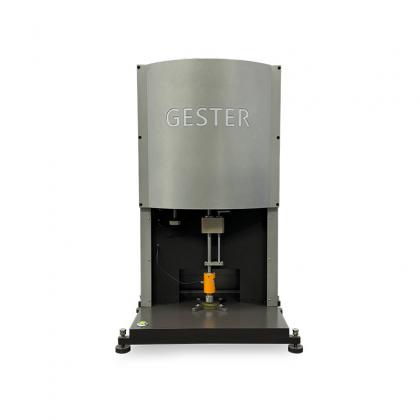
Slip Resistance Tester: Apply a predetermined load by different mediums like wood, PVC, ceramic tile or specified and set specified friction times and speed, which is to measure the sole friction coefficient, and then judge the slip resistance of shoes.
JIS T8101, JIS T8106, JIS T8107
Applications:
Footwear Manufacturing: Evaluating the slip resistance performance of finished shoes and footwear outsoles during product development and quality control.
Safety Footwear Testing: Assessing the friction performance of safety shoe soles under specified testing conditions.
Footwear Testing Laboratories: Conducting standardized slip resistance tests for footwear inspection, certification support, and quality assessment.
Footwear R&D Departments: Comparing outsole materials, rubber compounds, and sole designs to support footwear development.
Quality Control Departments: Monitoring footwear slip resistance performance across different production batches.
The GT-KB48 features a computer-controlled testing system for managing test operations and parameters, helping improve testing consistency and operational convenience.
The tester provides a sliding speed of (0.3 ± 0.03) m/s, supporting controlled testing conditions for footwear slip resistance evaluation.
Equipped with vertical and horizontal load cells, both with a range of 1000 N, the machine measures the applied normal load and horizontal friction force during testing.
The standard configuration includes a pressed ceramic tile floor and a stainless steel plate. Additional test surfaces and accessories should be selected according to the required test method.
The machine is supplied with footwear-related fixtures, including a shoe last fixture and prosthetic foot fixtures, to support specimen installation and testing.
The GESTER GT-KB48 operates by measuring the friction force generated between a footwear specimen and a specified test floor surface.
During the test, the footwear specimen is secured to the appropriate fixture, while a defined normal force is applied. The test surface moves horizontally at a controlled speed, creating relative motion between the shoe sole and the floor surface.
The horizontal friction force is measured by the load cell, and the dynamic coefficient of friction is calculated based on the measured friction force and applied normal force.
This computer-controlled testing process helps reduce manual operation errors and provides consistent test conditions for footwear slip resistance evaluation.
Basic Testing Process:
Secure the footwear specimen using the appropriate fixture.
Select the specified test surface and testing conditions.
Apply the required normal force.
Move the test surface horizontally at the specified speed.
Measure the friction force during sliding.
Calculate and record the coefficient of friction (COF).
|
Model |
GT-KB48 |
|
Vertical load cell range |
1000N |
|
Horizontal load cell range |
1000N |
|
Sliding speed |
(0.3±0.03)m/s |
|
Static contact time |
0.5s |
|
Test normal force |
500±25N, For footwear of European size 40 (UK size 6.5) and above |
|
400±20N, For footwear of European size below 40 (UK size 6.5) |
|
|
Wedge angle gauge |
7° |
|
Control method |
Computer-controlled |
|
Monitor |
19-inch |
|
Test floor |
Pressed ceramic tile floor, stainless steel plate |
|
Power supply |
AC 220V 50/60HZ |
|
Dimensions |
190×86×172 cm |
|
Weight |
Approx 600 kg |
|
Standards |
ISO 13287, GB/T 28287, ASTM F2913, SATRA TM 144, ISO 24267 |
|
Standards accessories |
2pcs |
7°Wedge angle gauge |
|
2pcs |
Shoe last fixture |
|
|
4pcs |
Prosthetic foot fixture |
|
|
1pc |
180×90×90mm calibration rubber fixture |
|
|
1pc |
Stainless steel plate (Already fix on the machine) |
|
|
1pc |
100×70mm steel block |
|
|
1pc |
Power line |
|
|
Optional accessories |
/ |
Pressed ceramic tile floor (500*190*10mm) |
|
S96 Rubber |
A: Yes. Standard accessories include pressed ceramic tiles and stainless steel plates. You can also test using various media like glycerin, water, or specified floorings like wood and PVC to simulate real-world environments.
A: The machine uses high-precision load cells and high-power servo motors to maintain a stable (0.3±0.03)m/s sliding speed, minimizing human error through full computer control and real-time data acquisition.
Q3: What is the difference between static and dynamic slip resistance testing?
A: Static slip resistance testing evaluates friction when two surfaces are not sliding relative to each other, while dynamic slip resistance testing measures friction during relative movement between the footwear and test surface. The appropriate method depends on the applicable footwear testing standard.
A: When selecting a shoe slip resistance tester, consider the applicable testing standard, test floor surface, required normal force, sliding speed, specimen fixtures, and data acquisition requirements. GESTER can help recommend a suitable testing configuration based on your laboratory requirements.
A: We provide detailed operation manuals, video tutorials, and remote technical guidance. For complex setups, we can arrange on-site installation and training through our local agents.
GESTER is a professional manufacturer and supplier of footwear testing equipment, providing testing solutions for footwear manufacturers, quality control laboratories, and testing institutions worldwide.
Whether you are establishing a new footwear testing laboratory or upgrading existing testing equipment, GESTER can help you identify a suitable shoe slip resistance testing solution.


Friendly Links :
 English